
These days, feeling overwhelmed and tense is practically common. Spending time outside can be hard to do as our lives are constantly changing due to traffic jams, impending deadlines, and an endless barrage of notifications. Even small stressors add up to the point where our minds feel as though they are running a marathon.
While self-care, therapy, and mindfulness are all important, sometimes the quickest and most efficient way to relax is right outside your door in nature. Spending time in green areas is more than just a pleasant hobby there is substantial evidence that it has positive effects on mental health. In this article, we’ll discuss the benefits of spending a lot of time outside and offer a few easy strategies for incorporating more outdoor activities into your daily schedule to reduce anxiety and restore a feeling of dread.


The Science of Nature and Anxiety
Research consistently shows that spending time in natural environments forests, parks, beaches, or even your backyard can reduce symptoms of anxiety and stress. But why exactly does this happen? It all comes down to a few key elements of human behaviour. We will now be going through how nature can help you in reducing your stress and anxiety.
1. Nature Calms the Nervous System
Anxiety often arises from an overactive sympathetic nervous system, known as the ‘fight or flight’ response, where the body is prepared to react to perceived danger, even in the absence of real threat.
Research indicates that exposure to natural environments can activate the parasympathetic nervous system, which is responsible for the body’s ‘rest and digest’ mode, leading to a decrease in heart rate, lower blood pressure, and a sense of immediate calmness.
A study published in 2010 in Environmental Health and Preventive Medicine demonstrated that individuals who take a walk in a forest exhibited lower levels of cortisol, a significant stress hormone, in comparison to those who walked in an urban city setting. The simple view of greenery had a massive impact on their bodies’ stress responses, highlighting the therapeutic effects of natural environments on stress reduction.
2. Nature Reduces Rumination
Rumination—replaying worries, regrets, or fears over and over—is a major contributor to anxiety. Natural settings can interrupt this cycle. A 2017 study from the Proceedings of the National Academy of Sciences found that individuals who walked in nature showed decreased activity in the subgenus prefrontal cortex, the brain region linked to rumination. In simpler terms, nature literally helps quiet the “loop” of anxious thoughts.

3. Sunlight and Mood
Exposure to natural light triggers the production of serotonin, a neurotransmitter that regulates mood and emotional balance. Lack of sunlight, particularly in winter months, can contribute to seasonal affective disorder (SAD) and worsen anxiety. Even a short walk outside can help boost serotonin levels and improve mental clarity. It is important to take regular walks in order to increase mood and mental wellbeing.
4. The Power of Green and Blue Spaces
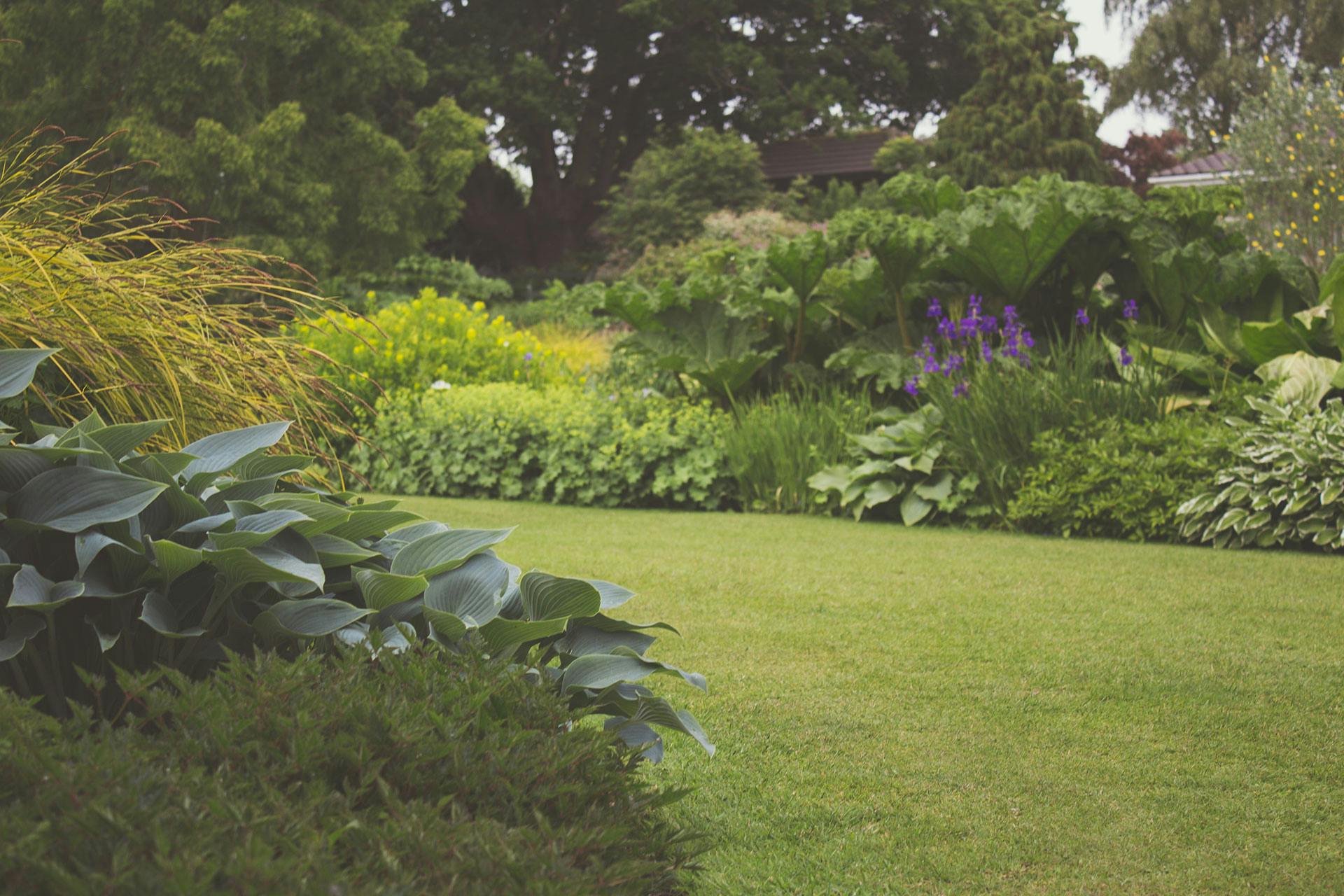
Different natural environments may have slightly different effects on your health. Green spaces forests, gardens, or parks do tend to encourage calm, reflection, and grounding. Blue spaces rivers, lakes, and oceans—often evoke a sense of awe and relaxation. Both types reduce stress hormones and create an immersive sensory experience that draws attention away from worries.
Practical Ways to Use Nature to Reduce Anxiety

1. Start Small
Even short bursts of time outdoors can help. Stepping outside during a work break, or even for some fresh aim or by opening a window, or spend five minutes sitting in your backyard. Gradually increase the time you spend outside as it becomes part of your routine. This greatly can affect how you feel naturally increasing dopamine and reducing stress as a result. There’s no rush on the amount of time you should spend outside, do as little or as much as you think helps.
2. Mindful Walking
Walking in a natural space doesn’t just move your body—it calms your mind. Try a mindful walk:
• Notice the texture of the ground beneath your feet.
• Listen to the sounds around you.
• Observe colors, patterns, and movements in nature.
• Focus on your breath as you walk.
This combination of movement and mindful observation helps break cycles of anxious thinking.
3. Engage All Your Senses
Take time to feel the sun on your skin, touch tree bark, listen to birdsong, or smell flowers or earth. Engaging multiple senses reinforces your connection to the present moment, which is often lost in anxiety. By using all of your sense you can become fully immersed in nature which helps to forget about the stress and worry you may be experiencing, even if this is for a small amo
4. Create a Routine
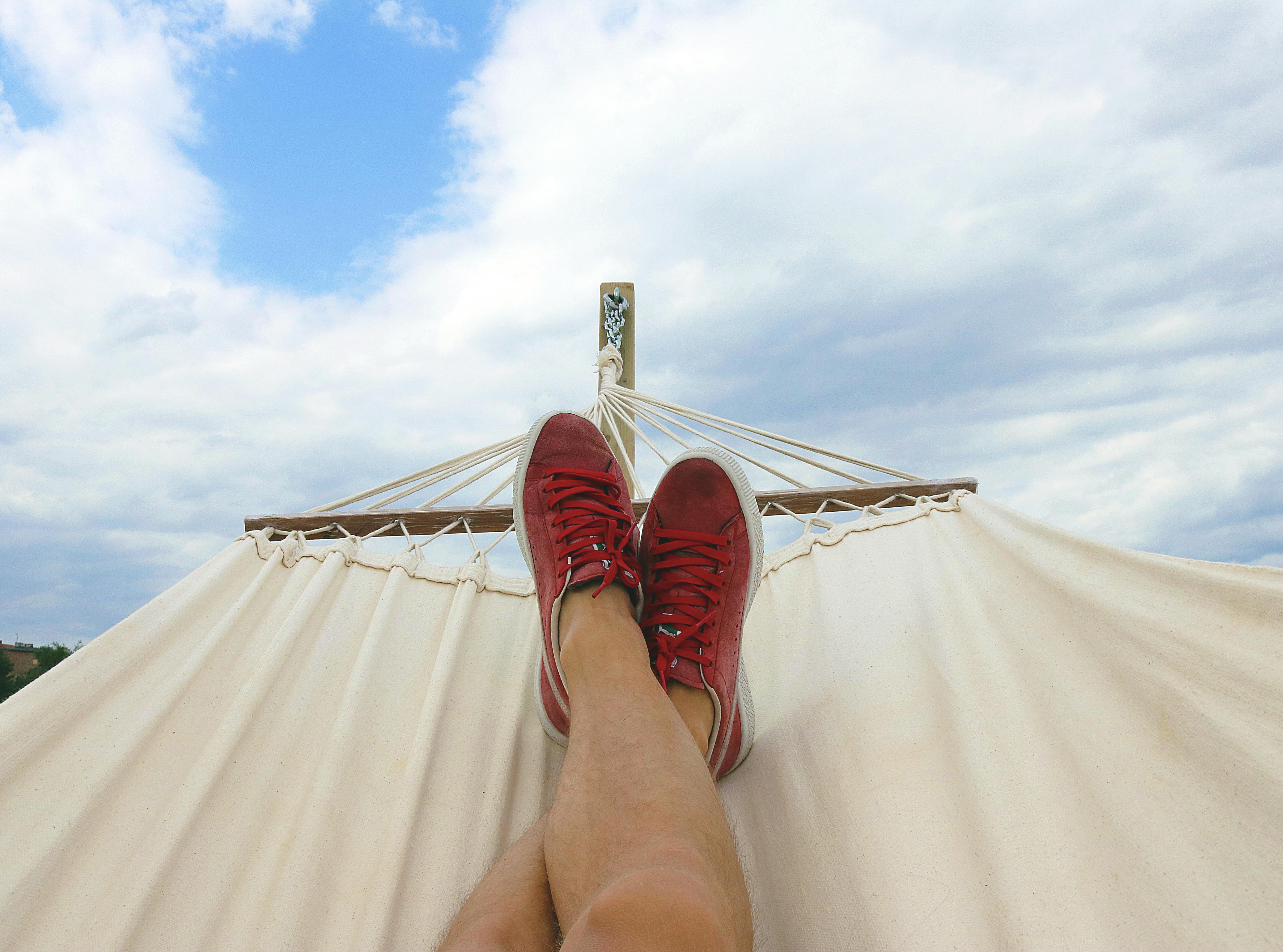
Consistency helps. Schedule daily or weekly outdoor time. Even 10–15 minutes can reduce stress levels over time. Consider:
• Morning walks in a nearby park.
• A weekly hike or beach visit.
• Sitting in a garden or courtyard while drinking tea.
5. Combine With Other Anxiety-Reduction Practices
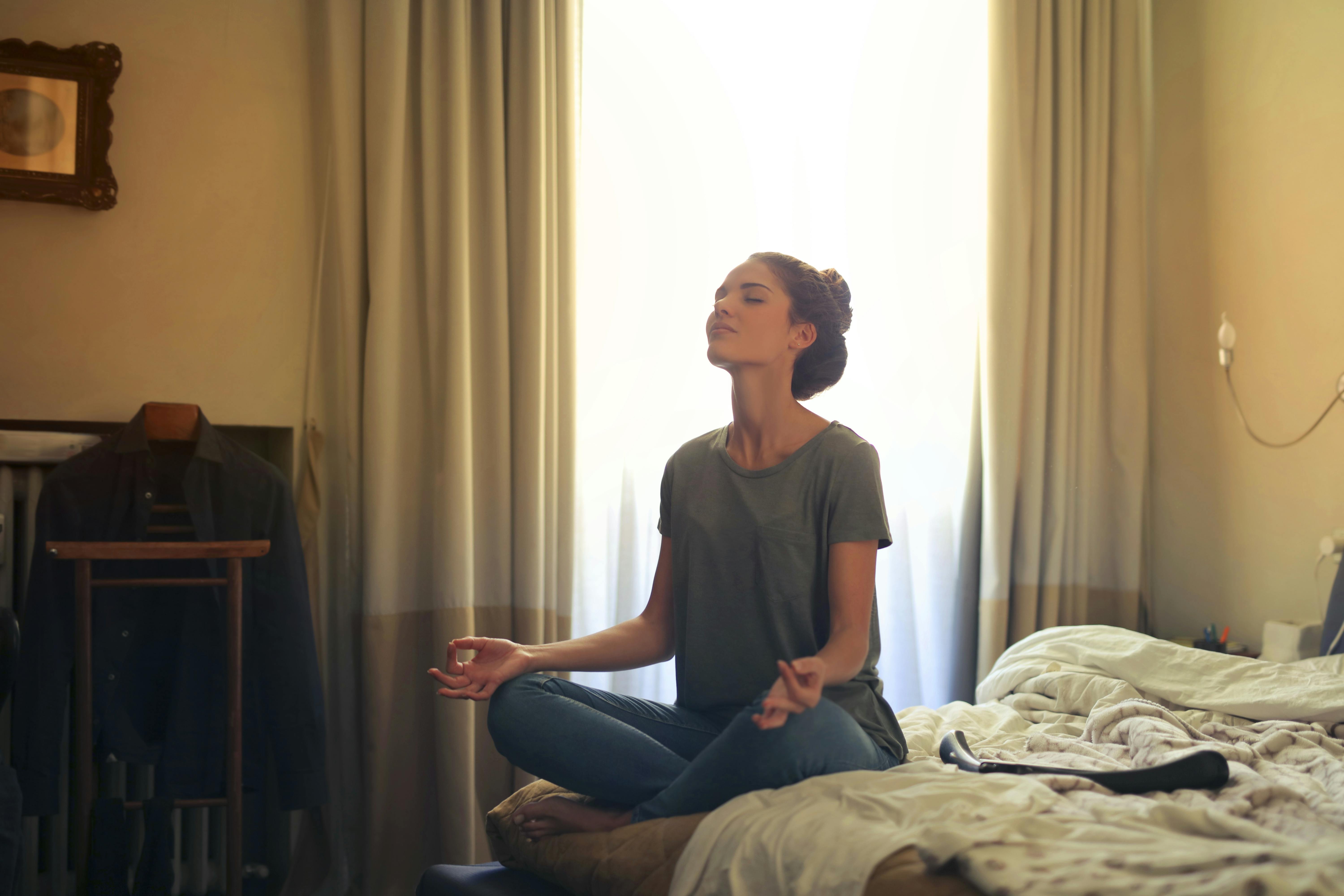
Nature amplifies the effects of meditation, deep breathing, or journaling. Try sitting outside and practicing slow breathing, or write in your journal while surrounded by natural sights and sounds.
Personal Reflections: Nature as an Anchor
Many people report that the outdoors feels like a “reset button” for anxiety. Personally, a short walk by a local creek on a stressful day can shift mental tension into quiet presence. Observing the movement of water, the sound of leaves rustling, or the warmth of sunlight creates a sense of safety and perspective. Nature reminds us that life is larger than our anxious thoughts and that even the smallest living things persist through cycles of growth, change, and renewal.
This doesn’t mean anxiety disappears entirely it may still arise but the buffer that nature provides gives us space to respond rather than react. That space is often enough to interrupt spirals of worry and restore a sense of balance.
Final Thoughts
Anxiety has become fairly common in today’s fast-paced, consistently connected world. Even seems insignificant things like traffic, some pressing deadlines, or buzzing alerts can add up and cause our minds to become overburdened and tense at all times. While self-care, mindfulness, and therapy are all useful tools, sometimes the same answer is right outside your door: nature.
Spending time outside has actual, demonstrated advantages for our mental health, making it more than just a pleasant way to unwind. We’ll examine the science behind nature’s calming effects, how they work, and simple strategies for incorporating more outdoor time into your daily routine to reduce anxiety and achieve a little more equilibrium in this post.
No responses yet