

Mental health struggles touch many lives across the UK and often appear during moments of quiet stress. People search for care when the daily balance feels lost. The hope of support feels vital during such times.
Free mental health support in the UK sounds reassuring, yet reality often feels different. Many people face confusion, delay, and emotional fatigue before care begins. This gap creates frustration and fear. This article explains why access feels so hard. It looks at systems resources and lived experience. The aim stays clear and human while explaining why support feels distant for many.
Why Free Mental Health Support in the UK is Hard to Find
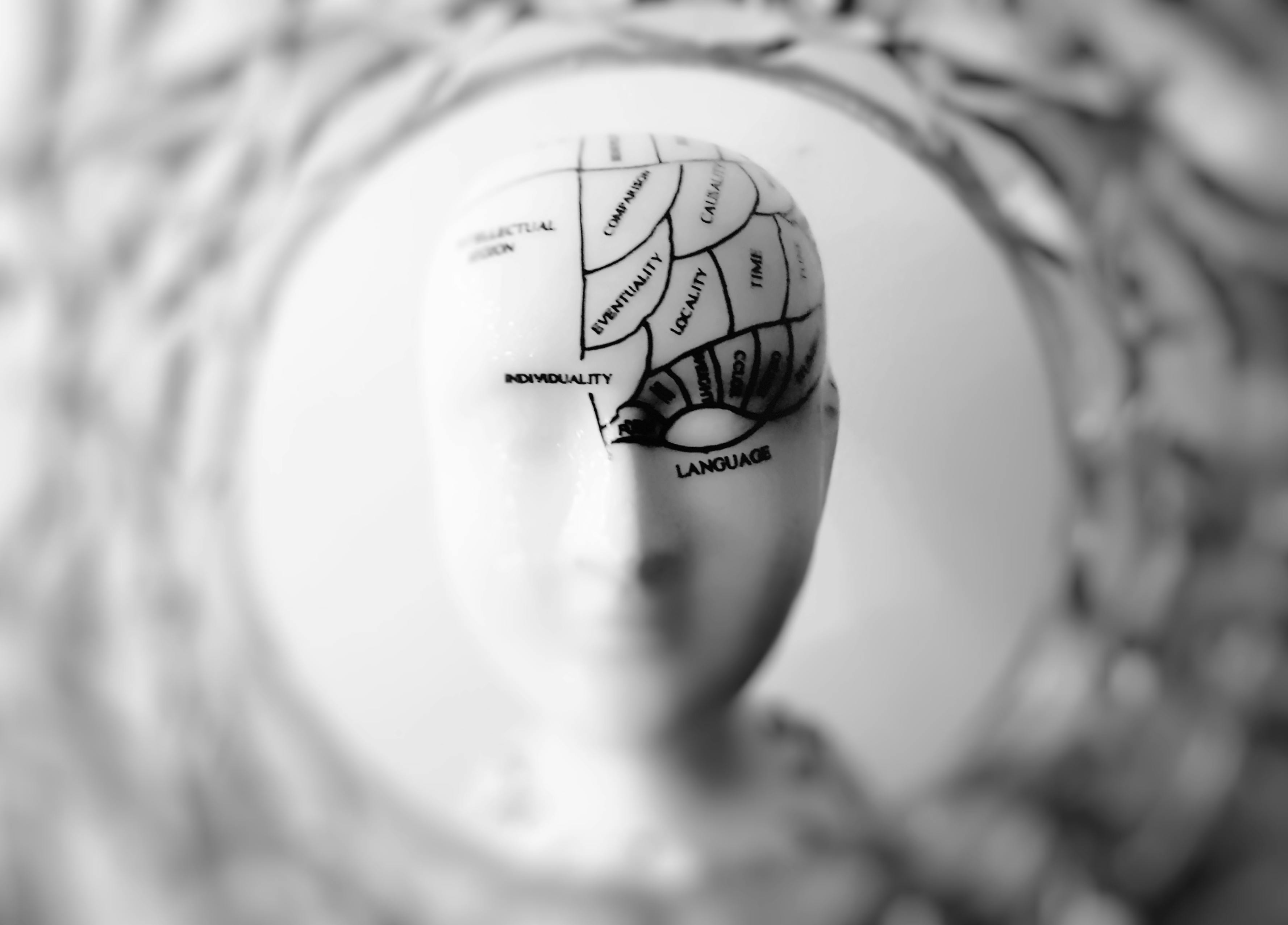
There are many different reasons why free mental health support in the UK is hard to find. So, let’s explore some of the main factors that contribute to this issue and how we can work towards improving access to mental health support for everyone.
1. The Promise and Reality of Free Care
Free mental health support often appears strong on paper if you’re in the UK. The public messages highlight care for all who need help. Yet the lived experience tells another story. Many people expect quick guidance and a compassionate response.
Instead, they face forms of referrals and silence. This contrast causes emotional strain and loss of trust. Support depends on the location, need, and timing. This reality leaves many people unsupported. Andrew Kemp a therapist in UK and owner of Clear Mind CBT explains how free Counselling and therapy is hard to find.

2. Pressure on the NHS System
The NHS carries the main responsibility for mental health care. Demand has risen while resources feel stretched. This strain affects every level of care. NHS mental health support issues appear through delays and limited staff. People seek help yet feel unheard. Clinicians work hard yet capacity remains limited.
Free mental health support depends heavily on this system. When pressure grows, access becomes harder. The result effects people during vulnerable moments.
3. Waiting and Emotional Cost
Mental health waiting times in the UK create deep emotional weight. People ask for help yet face months of delay. Time feels heavy during distress. Waiting affects confidence and hope. Symptoms often grow while support stays distant.
This gap increases personal risk and isolation. So, free mental health support in the UK loses value when time stretches too long. Support arrives late for many. The emotional cost remains unseen.
4. Regional Gaps and Unequal Access
Access to mental health care UK varies by region. Some areas offer more services than others. This inequality shapes outcomes. Mental health care access UK depends on local funding and staff. Rural areas face extra limits. Urban regions feel overcrowded. Free mental health support in the UK becomes a matter of geography. People move or wait based on postcode. This reality feels unfair and draining.
5. Barriers Beyond Funding
Barriers to mental health support include stigma and fear. Many people hesitate before ask for help. Shame still shapes decisions. Language, culture, and trust also affect access. Some groups feel unseen or misunderstood.
That’s why these barriers reduce early care. And you what? free mental support exists yet many never reach it. Barriers block the path before care begins. Awareness alone does not solve this.
Free Counselling and Its Limits
Free counselling in the UK offers relief for some people. Charities and community groups step in with care. Their role feels vital, yet these services face limits. Short sessions and high demand affect quality. Staff often rely on donations. Free mental health support UK depends on these groups. They fill gaps left elsewhere and their struggle mirrors the wider system strain.
Beyond that, here are some Voices from Real Experience:
- Many people share similar stories of delay and confusion. They reach out during a crisis yet wait for a response. This pattern repeats.
- Stories reveal emotional exhaustion. Hope fades during long silence. Trust weakens with each delay.
- Free mental health support UK feels distant through these voices. Experience shapes belief more than policy. Real lives reflect the challenge.
Conclusion
Free mental health support in the UK remains hard to reach for many people. Demand exceeds supply, and time creates harm. The system shows care yet lacks capacity. People feel lost while seek help. Change requires honesty and commitment. Support must arrive early and equally. With proper focus Free mental health support UK can feel real rather than distant. Lives depend on this shift.
UK mental health system challenges include funding staff and planning. Reform requires time and care. Change feels slow. However, the digital tools and community models offer promise. Early support may ease pressure, but investment and compassion must align.
No responses yet